
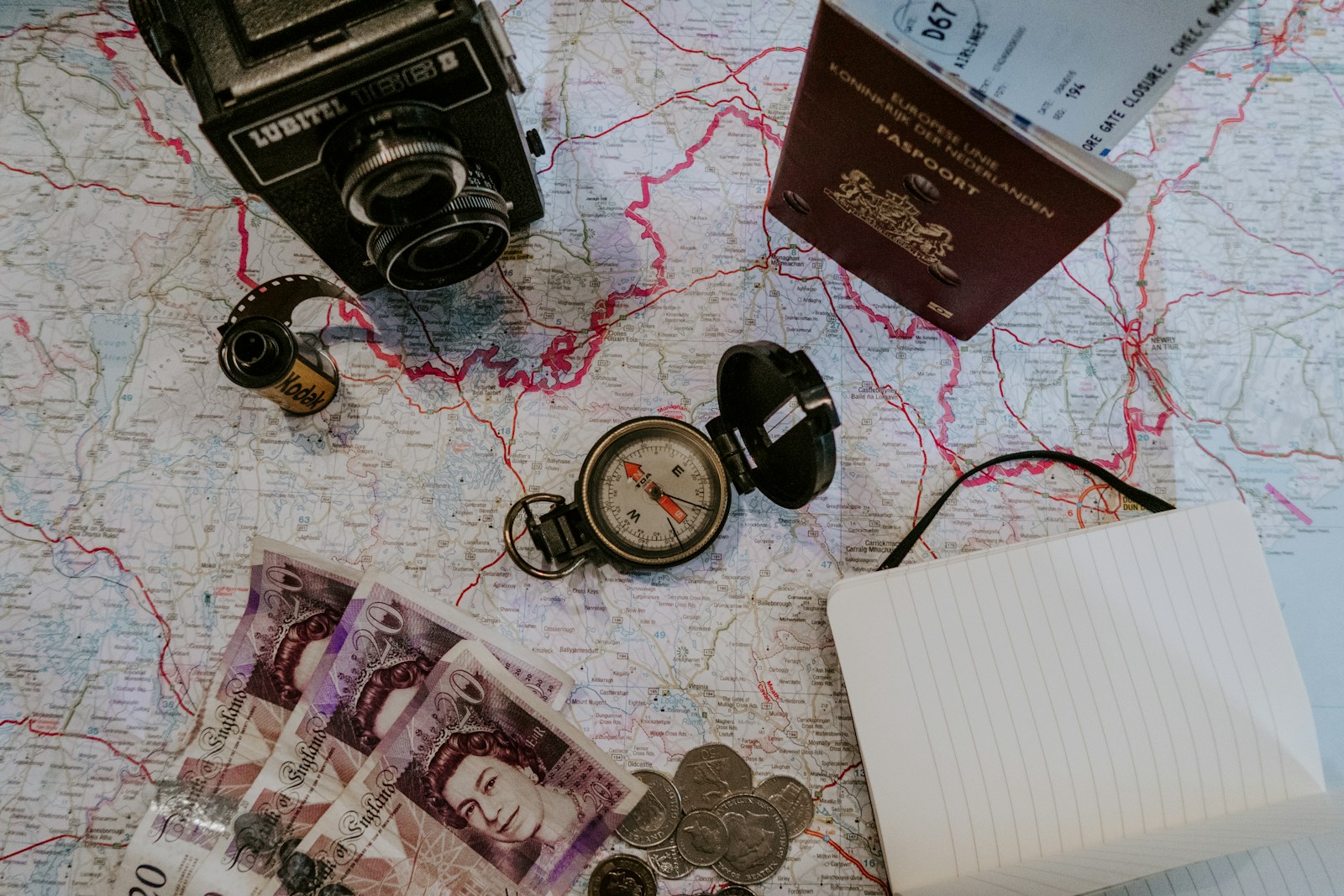
Moving abroad often feels like a breakthrough moment. There’s the visa approval, the flight ticket, the congratulations, and the quiet belief that life is about to improve.
What many people don’t realize is that the hardest part of migration is not culture shock, weather, or language it’s getting your finances right before you move abroad. Too many people arrive overseas financially unprepared and spend years recovering from mistakes that could have been avoided with better planning.
This guide is for anyone planning to move abroad for work, study, marriage, or family reunification and wants clear, practical advice on before you move abroad finances without fear, hype, or unrealistic promises.
Why Preparing Your Finances Before You Move Abroad Matters
Financial stress abroad rarely begins abroad. It usually starts long before the flight.
Many people underestimate how long it takes to stabilize financially in a new country. First incomes are often delayed, living costs are higher than expected, and access to opportunities depends on systems you don’t yet understand. Without preparation, people are forced into panic decisions unsafe housing, bad loans, or unhealthy financial dependence.
Preparing your finances before you move abroad gives you options. And options give you dignity.
How Money and Finances Work When You Move Abroad
One of the biggest myths about migration is that higher salaries automatically lead to a better financial life. In reality, money works very differently abroad.
Taxes are usually deducted before you receive your salary. Rent often takes a large portion of income. Credit history can matter more than cash. Many services from renting a home to accessing loans — depend on systems you have not yet entered.
Before you move, the most important step is adjusting your expectations. You are not just changing countries. You are entering a new financial system.
Before You Move Abroad: How Your Reason for Migration Affects Your Finances
Not everyone starts from the same financial position abroad, and ignoring this reality creates risk.
If you are moving for work, your first months may involve delayed pay, unexpected deductions, or jobs below your qualifications. Income growth often takes time.
If you are moving as a student, your finances may be restricted by work-hour limits and high living costs. Decisions around debt and spending made early can follow you for many years.
If you are joining a partner or family, financial dependence and limited work rights can create vulnerability if not planned for honestly.
Understanding your starting point is not negativity. It is financial self-protection.
How Much Money Should You Save Before You Move Abroad?
There is no universal number, but one rule applies everywhere: arriving with no savings is dangerous.
A realistic target is having enough money to cover three to six months of basic living expenses. This includes housing, food, transport, and emergencies not shopping, travel, or lifestyle upgrades.
This money is your buffer against delayed income, unexpected costs, and poor decisions made under pressure. If saving this feels impossible, delaying your move may be wiser than arriving financially exposed.
Before You Move Abroad, Separate Moving Costs From Living Money
Many people arrive abroad with savings but still end up broke within weeks. The reason is simple: all their money was spent on arriving.
Visa fees, flights, housing deposits, and basic setup costs can consume savings quickly. If all your money goes into relocation, what will you live on afterward?
Financial readiness means being able to cover both moving costs and post-arrival living expenses. If you can only afford one, you are not yet financially ready.
Financial Documents to Prepare Before You Move Abroad
Financial life abroad is paperwork-driven. Before you leave, make sure your documents are organized and accessible.
Bank statements, employment letters, academic certificates, proof of savings, and contracts often affect your ability to rent housing, open a bank account, or access services. Having secure digital copies can save you weeks of frustration later.
Why Taking Debt Before You Move Abroad Can Hurt Your Finances
There is pressure to look settled quickly abroad a good phone, furniture, nice clothes, even a car. Many people borrow early to create an image of success.
This is one of the most damaging financial mistakes immigrants make.
Debt taken before stable income and system knowledge is extremely difficult to escape. Stability must come first. Comfort and appearances can wait.
The Real Cost of Living: Financial Reality Before You Move Abroad
Social media rarely shows the full financial picture of life abroad. You see progress, not overdrafts. Success, not shared housing. Comfort, not quiet stress.
Before moving, research real costs: rent, food, transport, healthcare, and childcare if relevant. Plan for a basic, realistic lifestyle, not the aspirational version you see online.
Planning Family Support and Remittances Before You Move Abroad
For many migrants, financial pressure doesn’t disappear after migration it increases.
Before you move, decide what you can realistically afford to send home, when you will start, and how you will manage expectations. Supporting others is important, but doing it too early can delay your own stability for years.
Building yourself first is not selfish. It is sustainable.
The First 90 Days: Protecting Your Finances After You Move Abroad
Your first three months abroad are financially fragile. Income may be delayed, expenses unpredictable, and emotional stress high.
Having a simple survival plan a basic budget, spending limits, and emergency options reduces panic and helps you avoid decisions that take years to undo.
Final Thoughts: Getting Your Finances Right Before You Move Abroad
Moving abroad is not a financial shortcut. It is a long-term journey.
The people who eventually succeed financially are not always the most impressive on arrival. They are the ones who prepared, avoided early debt, and took time to understand the system.
If you are planning to move abroad, your most valuable asset is not your visa or your degree.
It is financial awareness.
What to Read Next
If you are already abroad, start here:
Financial Literacy Abroad: Everything Immigrants Need to Know About Money in a New Country
If you are still planning your move, return to this guide often. Preparation now saves years later.